Listen, A Real Vermont Snow Day Isn’t Just a Day Off. Here’s How to Do It Right.
A true Snow Day in Vermont is a sacred pause button—a gift of hushed, white silence that transforms the Green Mountains. It’s the creak of a boot on fresh powder, the promise of steaming maple cocoa, and a community collectively deciding to slow down.
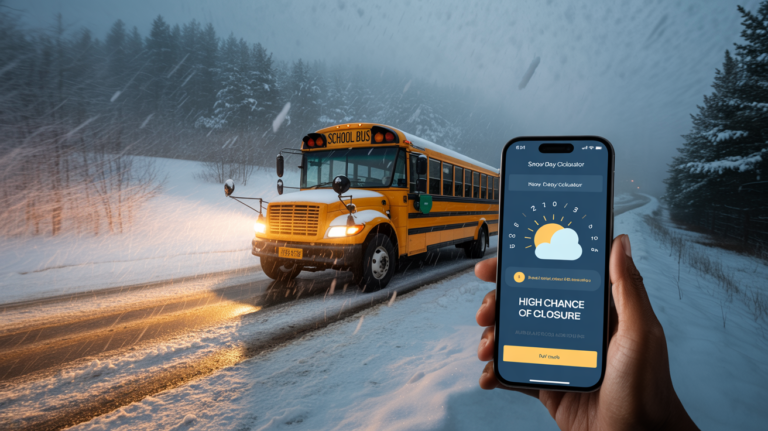
While apps and algorithms try to calculate the odds of a closure, locals know there is a distinct rhythm to winter here that computers miss. A Vermont snow day isn’t just about precipitation totals; it’s a cultural event. Whether you are anxiously awaiting the call from the superintendent or simply looking to embrace the cozy isolation of a winter storm, understanding the anatomy of a Green Mountain snow day will help you make the most of it. From reading the local signs to choosing between an adventurous trek or a fireside retreat, here is everything you need to know to navigate a snow day like a true Vermonter.
In this guide, you’ll learn:
- How to predict a snow day like a local, beyond the app.
- The exact factors superintendents use to close schools.
- Two complete itineraries: for the cozy homebody and the powder hound.
- The Vermont-specific preparedness checklist that most articles miss.
- These days are the soul of a Vermont winter.
This immediately showcases the article’s value and keeps readers scrolling.
The Vermont Snow Day Forecast: Reading Between the Lines
Forecasting in New England is notoriously tricky, but Vermont presents its own unique set of challenges. To predict a snow day accurately, you have to look beyond the generic weather app icon and understand the nuance of our geography.
School superintendents and town managers weigh several factors before making the call. It isn’t just about how much snow falls; timing is everything. A storm hitting at 4:00 AM is far more likely to trigger a closure than one starting at 9:00 AM. Furthermore, road conditions on rural routes—like the winding stretches of VT-12 or VT-100—matter more than the pavement status in downtown Burlington. If the buses can’t safely navigate the dirt roads of the hill towns, the whole district often shuts down.
Decoding the Microclimates
Vermont’s topography creates distinct weather pockets. Understanding where you live in relation to the Green Mountains is key to tracking your specific forecast.
- The Northeast Kingdom: This region often gets the brunt of the storm first and holds onto the cold longer. If a system is moving in from the north or west, the Kingdom is the primary candidate for heavy accumulation.
- The Champlain Valley: The “Banana Belt” of Vermont often deals with the tricky ice factor. Warmer air trapped in the valley can turn snow into freezing rain or a wintry mix, making roads treacherous even with lower snowfall totals.
- Southern Vermont: This area is often the battleground for the mixing line during coastal Nor’easters. While the north might stay all snow, southern towns often have to watch for sleet that compacts quickly on the roads.
Beyond the Calculator: The Local’s Guide to Predicting Your Day
You can stare at radar maps all night, or you can look for the signs that locals have relied on for generations. There is a sensory experience to a heavy storm that data points can’t replicate.
Listen for the hush. There is a specific moment during a significant event when the wind dies down, and the snow begins to fall in thick, heavy flakes. It accumulates faster than the plows can clear it, absorbing sound and turning the world quiet. When you hear that silence, you know the roads will be impassable by morning.
Keep an eye on the infrastructure. If the plows are out on Main Street in St. Albans or Montpelier by 4:00 AM and they are struggling to keep the pavement black, they are fighting a losing battle. Community intuition is also a powerful tool. Don’t just rely on national weather outlets; check the Vermont Agency of Transportation (VTrans) plow trackers and local town Facebook groups. The most accurate report often comes from a neighbor three miles up the road who just measured six inches on their deck railing.
Crafting Your Perfect Vermont Snow Day: Cozy vs. Adventure
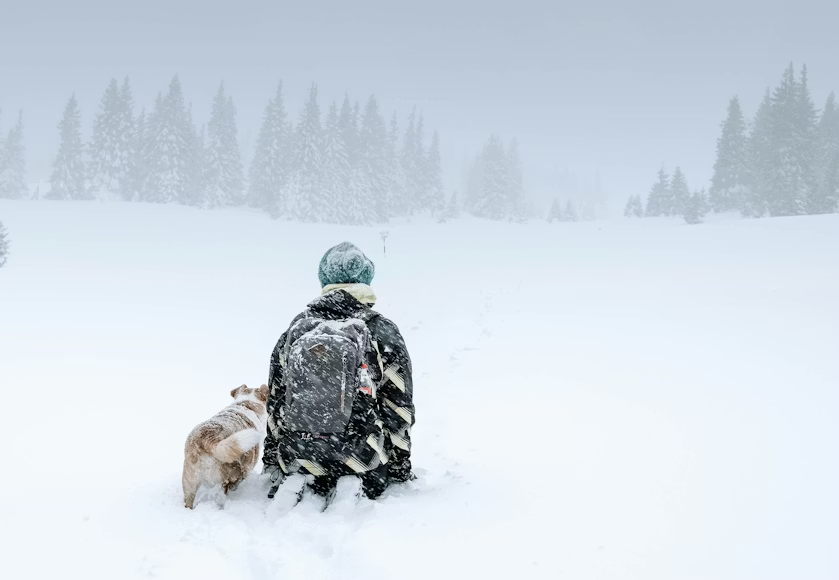
Once the decision is made and the world outside is white, you have two choices: embrace the hygge or conquer the elements.
The Cozy Itinerary
For many, the snow day is a permission slip to do absolutely nothing. If your goal is restoration, focus on warmth and comfort.
- The Menu: Start with the essentials. A proper hot cocoa requires real milk and high-quality chocolate, perhaps a dash of maple syrup. For lunch, nothing beats a grilled cheese sandwich made with sharp Vermont cheddar and a bowl of tomato soup.
- The Entertainment: This is the time to crack open a book by a local author or revisit a classic. Keep a stack of board games ready for when the power flickers or you just want to disconnect from screens.
- The Atmosphere: Keep the woodstove or fireplace fed. The crackle of the fire against the silence of the snow outside is the quintessential Vermont soundtrack.
The Adventure Itinerary
If fresh powder makes you restless, the Green Mountains are your playground.
- Find Your Hill: Every town has an unofficial sledding hill. Whether it’s a steep slope at a local park or a neighbor’s pasture (ask permission first!), finding untouched snow is a priority.
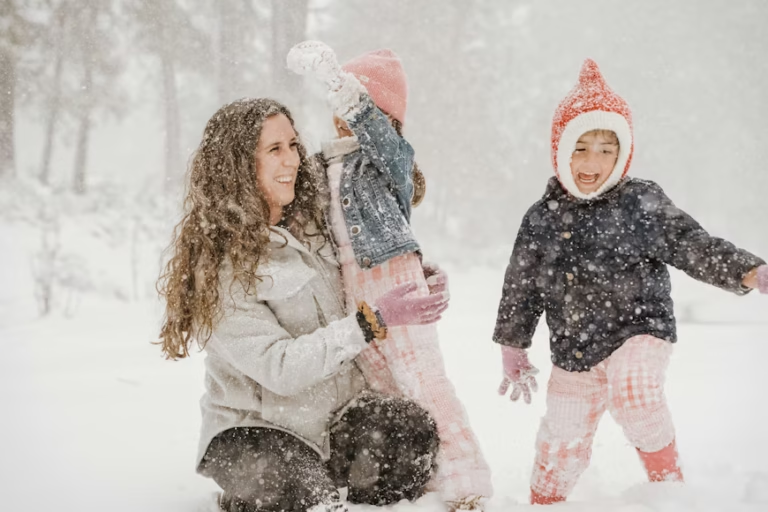
- Trek the Woods: Snowshoeing is one of the most accessible ways to see the landscape transformed. Even a familiar hiking trail looks completely alien and beautiful under a foot of fresh snow.
- The Reward: After hours in the cold, head to a local craft brewery or bakery. Many stay open during storms to serve the intrepid locals who ventured out on skis or snow tires.
The Essential Snow Day Preparedness List
Being prepared allows you to enjoy the storm rather than stress about it. While flashlights and batteries are standard, a Vermont-specific kit requires a bit more thought.
The Pantry
Stocking up isn’t panic buying; it’s practical. Ensure you have the staples that make a snow day enjoyable.
- Local Goods: Coffee from a local roaster, pancake mix, and a jug of maple syrup are non-negotiables.
- Comfort Foods: Ingredients for a slow-cooker stew or chili that can simmer all day while the wind howls.
- Cider Donuts: If you can grab a box of cider donuts before the flakes fly, you’ve already won the day.
The Car
Even if you don’t plan to drive, your vehicle needs to be ready.
- Traction: Keep a bag of sand or non-clumping cat litter in the trunk. If you slide on an icy hill or get stuck in a driveway, this grit provides the traction tires need.
- The Right Tools: A flimsy scraper won’t cut it here. Invest in a sturdy snow brush with a serious ice scraper and a telescoping handle.
The Home
- Heat Source: If you rely on oil or propane, check your levels before the storm. If you heat with wood, bring enough inside to last 24 hours so you aren’t trudging to the woodpile in a blizzard.
- Pipes: Know the quirks of your plumbing. If you have a drafty farmhouse, know which faucets to leave dripping to prevent frozen pipes.
The Heart of It: Why Vermonters Cherish the Snow Day
There is a reason we tolerate the long winters. It isn’t just about skiing or scenic drives; it’s about the community spirit that emerges when the weather turns wild. A snow day strips away the busyness of modern life. It forces a collective pause.
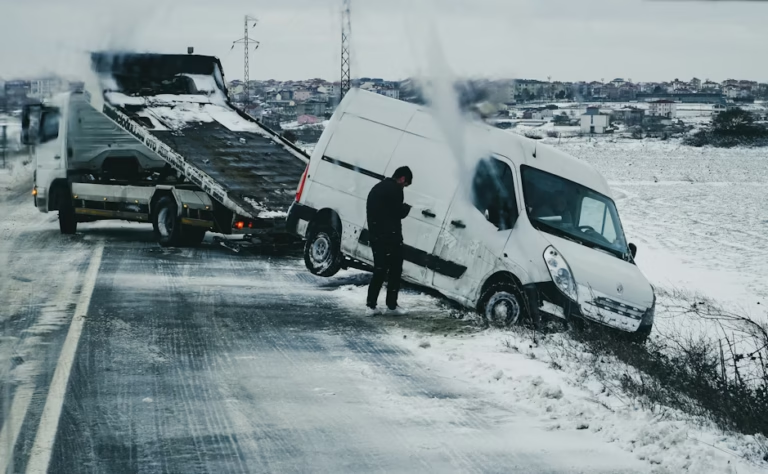
You see it in the way neighbors check on each other, shoveling out the elderly couple next door or pulling a stranger’s car out of a ditch. There is a camaraderie in the shared experience of the storm. Even a trip to the local general store feels like an expedition, where you swap snow totals and road reports with the cashier.
Ultimately, a snow day is a reset. It reminds us that nature is still in charge, and sometimes, the best thing you can do is surrender to the season, stay home, and watch the world turn white.