Winter Health Tips for Kids: Your Snow Day Survival Guide
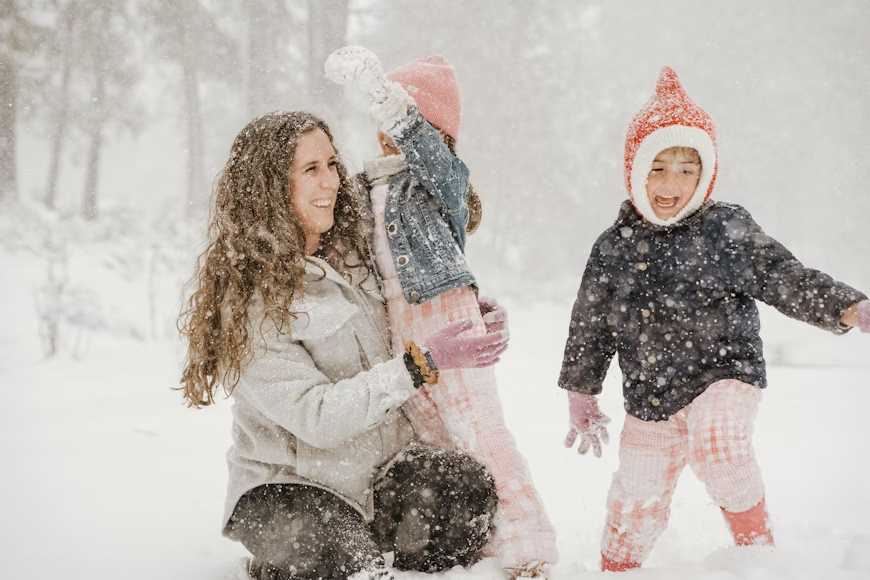
You just got the alert: it’s a snow day. While the kids celebrate, your parent brain shifts to health and safety mode. These winter health tips for kids are your essential guide to navigating the unique challenges of a snow day, from frigid outdoor play to cooped-up indoor germs—ensuring the day is fun, safe, and healthy.
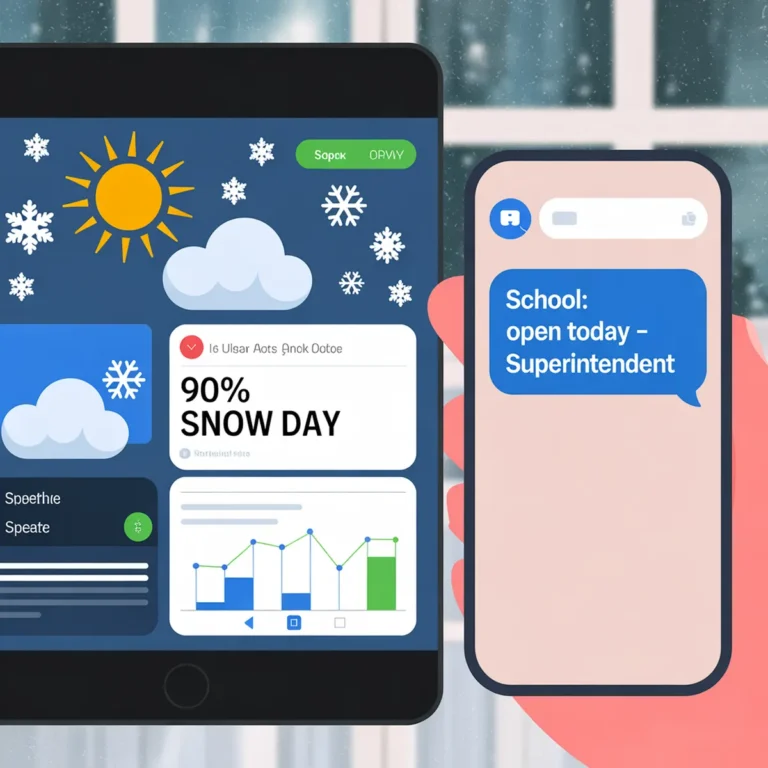
Suddenly, your routine is upended. The school schedule is gone, the temperature has dropped, and excitement levels are through the roof. It’s the perfect storm for exhausted parents and overstimulated children. But a snow day doesn’t have to end in sniffles or shivers. By focusing on smart preparation and a few key safety protocols, you can turn a chaotic weather event into a memorable family memory. Before planning the day, check your local risk using our Snow Day Calculator.
Why Trust This Guide?
This article is crafted by the [Your Website Name] team, drawing on pediatrician recommendations, winter safety guidelines from the AAP & CDC, and real-parent experiences from snow-prone regions. It’s specifically designed to complement our Snow Day Calculator—helping you plan not just if school closes, but how to thrive when it does.
Why Snow Days Demand Special Winter Health Tips for Kids
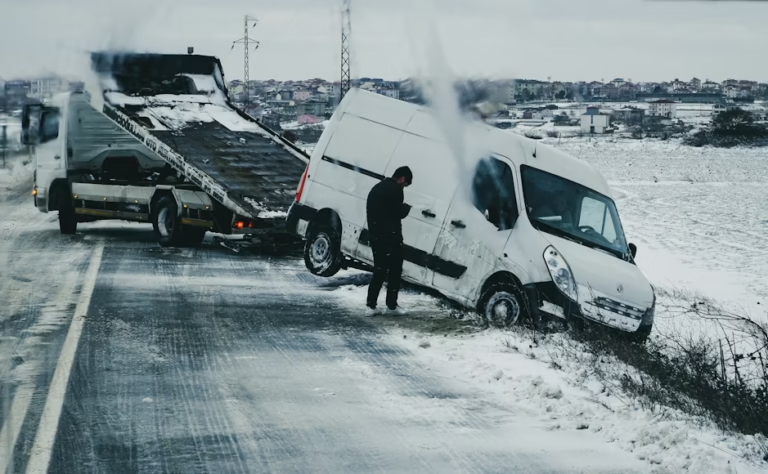
A snow day isn’t just a day off; it’s a distinct physiological challenge for children. You are dealing with a perfect storm of factors: a sudden disruption in routine, potential overcrowding indoors, the temptation of extreme weather, and the hazards of travel or outdoor play.
This is why we built the Snow Day Calculator to give you a heads-up. But once the day arrives, health is the priority.
Parents often face a dual challenge during these events. First, you have to manage indoor wellness, fighting against dry air, shared germs, and the boredom that leads to poor nutritional choices. Second, you have to manage outdoor safety, mitigating the risks of frostbite and hypothermia during high-energy play. Balancing these two environments is the key to snow day health.
1. The Snow Day Layer Strategy: Dressing for Safe Outdoor Adventure
Before the first snowball flies, you need a plan for clothing. As pediatricians at Boston Children’s Hospital advise, layering is non-negotiable for variable snow day play—in and out every hour.
The goal isn’t just to pile on clothes; it’s to create a Snow Day 3-Layer System that manages moisture and heat:
- The Base Layer (Wicking): Avoid cotton, which traps sweat and makes kids cold. Use wool or synthetic fabrics to wick moisture away from the skin.
- The Middle Layer (Insulating): This layer traps body heat. Fleece or wool sweaters work best here.
- The Outer Layer (Protecting): This is your shield against wind and wetness. Waterproof jackets and pants are essential.
This strategy links directly to the forecast. If our Snow Day Calculator shows a High Risk day with wind chill below -15°F, the outer layer must be windproof, and time outside should be strictly limited.
What to Wear Based on Snow Day Conditions
| Condition | Recommended Gear Strategy |
| Mild (30°F+, Low Wind) | Light base layer, fleece, water-resistant shell. Neck gaiter optional. |
| Cold (15°F – 30°F) | Thermal base, heavy fleece/sweater, waterproof coat. A hat and waterproof gloves essential. |
| Severe (<15°F or High Wind) | Heavy thermal base, double middle layer, windproof/waterproof parka. Balaclava or face mask required. Limit exposure. |
2. Defending the Indoor Fort: Air Quality & Germ Warfare
While frostbite gets the headlines, indoor air quality is often the overlooked villain of winter health. When the heat kicks on and windows seal shut, your home becomes a dry incubator for germs.
Dry winter air dries out mucous membranes in the nose and throat, which are the body’s first line of defense against viruses. A study in the Journal of Pediatric Health found that proper humidification can reduce flu virus survival indoors by over 40%. Running a humidifier in the main play area can make a significant difference in preventing winter sickness.
Furthermore, air can get stale quickly. To combat this, schedule a 5-Minute Air Freshener. While the kids are having a snack in the kitchen, open the windows wide in the living room for just five minutes. It’s enough to cycle the air without freezing the house, diluting the concentration of airborne germs.
3. Snow Day Nutrition: Fueling for Fun (& Fighting Germs)
It is easy to let a snow day devolve into a junk food marathon, but bodies fighting the cold need high-quality fuel. Think of your menu as Snow Day Superfoods.
Instead of processed sugars, offer warm, nutrient-dense snacks that you can prepare together. A great example is Snow Day Immune-Boosting Hot Chocolate. Make it with real cocoa (for antioxidants), warm milk (for protein and calcium), and a dash of cinnamon. It feels like a treat but provides genuine energy.
Hydration is another major hurdle. Kids often don’t feel thirsty in cold weather, but heavy coats and active play lead to significant fluid loss. Make drinking water fun by creating Snowman Water—water infused with cucumber slices or floating frozen berries.
4. Managing Energy & Mood: The Snow Day Routine Reset
Children thrive on structure, and the loss of school can lead to behavioral spirals. Establishing a flexible snow day schedule helps manage energy levels and keeps everyone sane.
Try a routine that alternates high-energy activity with rest:
- Morning: High-energy outdoor play (while the sun is highest).
- Lunch: Warm meal and hydration.
- Early Afternoon: Quiet time or creative play (Legos, reading).
- Late Afternoon: Second outdoor session or indoor energy burner.
Indoor Energy Burners (When Going Out Isn’t An Option)
If the weather is too severe for outdoor play, you still need to burn off that excitement to ensure good sleep later.
- Obstacle Courses: Use couch cushions and blankets to create a safe course.
- Dance Parties: A 15-minute high-tempo playlist can reset a grumpy mood.
- Scavenger Hunts: Hide small toys around the house to keep them moving and engaged.
5. The Warm-Up & Warning Zone: Recognizing Cold’s Real Danger
Snow days are fun, but cold-weather safety is serious business. Kids often ignore their own body signals because they are having too much fun. You need to be the monitor.
This is the critical follow-up to checking the Snow Day Calculator. The calculator predicts the closure; this knowledge keeps them safe during it.
Checklist: Is My Child Too Cold?
Early Warning Signs (Frostnip):
- Red, cold skin.
- Complaints of “pins and needles” or tingling.
- Action: Go inside immediately. Warm the area gently with warm (not hot) water or body heat. Do not rub the skin.
Danger Signs (Frostbite & Hypothermia):
- Skin turns white, grayish-yellow, or waxy.
- Numbness (no pain).
- Uncontrollable shivering.
- Confusion, clumsiness, or slurred speech.
- Action: This is a medical emergency. Call 911 or go to the ER immediately. Move to a warm place and remove wet clothing while waiting.
Reference: Always consult the Mayo Clinic or CDC guidelines on frostbite stages for medical specifics.
6. The Cooldown & Sleep: Ensuring Rest After an Irregular Day
After a day of excitement, sugar, and disrupted routines, settling down can be difficult. Overtired, overstimulated snow-day kids often struggle to fall asleep, which can affect their immune system.
Implement a specific Snow Day Evening Wind-Down Ritual. This might include a warm bath to raise body temperature (the subsequent drop helps trigger sleepiness), followed by quiet story time.
Also, check the temperature in their bedrooms. While cozy blankets are great, overheating can be a SIDS risk for infants and can disrupt sleep for older children. Ensure the room is cool (around 68°F) and they are dressed appropriately for sleep, rather than relying on heavy space heaters, which dry out the air further.
From Survival to Success
A snow day doesn’t have to be a source of stress. With the right preparation, proper layering, and a focus on hydration and air quality, you can navigate the cold safely. These winter health tips for kids turn a potential headache into an opportunity for healthy, active family fun.
Bookmark this guide for the next snow day alert so you are ready to deploy your strategy instantly.
Was this helpful? Use ourSnow Day Calculator to prepare for the next winter storm, and return here for your action plan.